
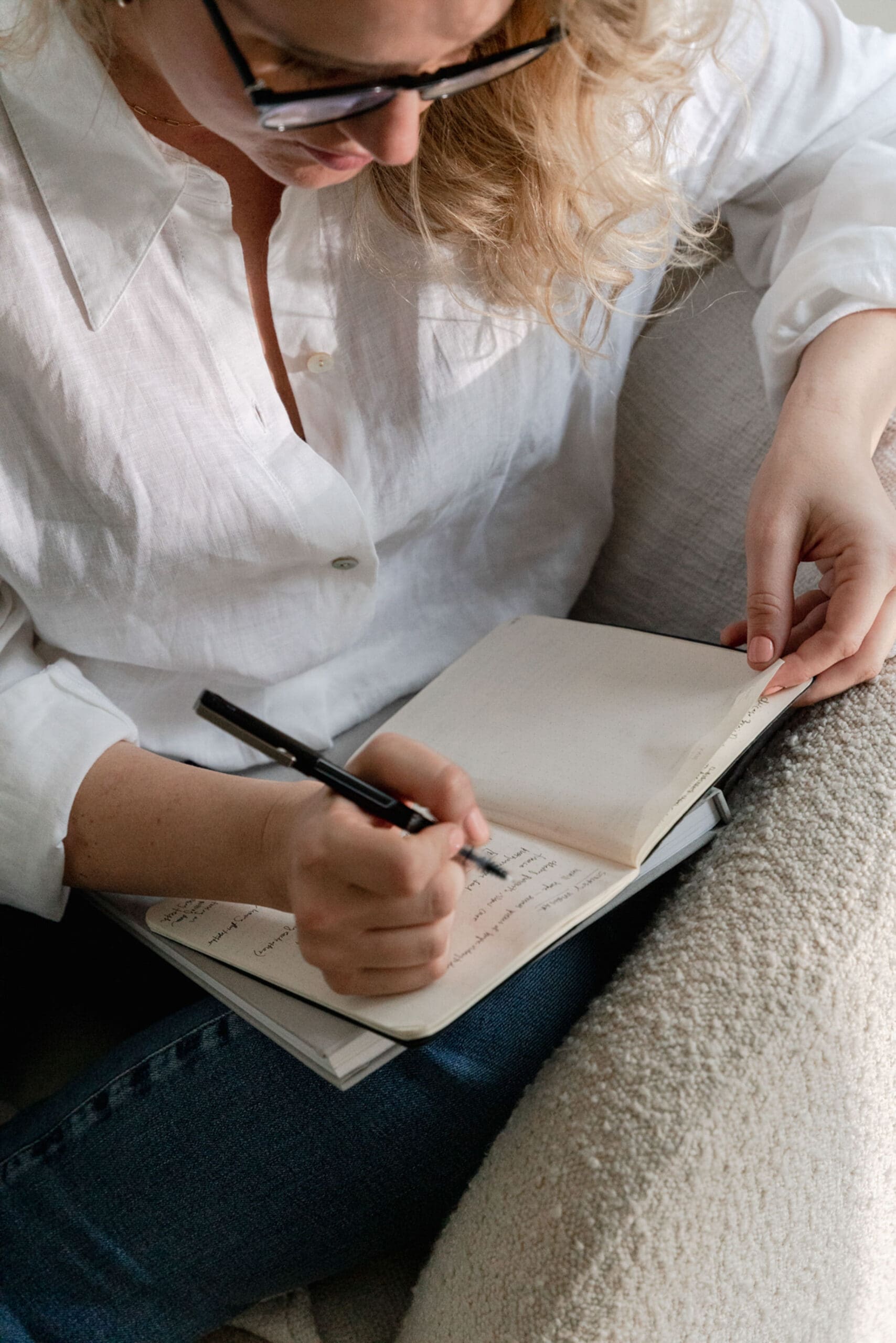
Many people are brought up to always be kind to others. But how many of us were taught to be kind to ourselves? Self-compassion, or self-love, can often seem like a foreign concept, particularly to those raised in an abusive or unloving home.
Self- compassion and self-love are not to be confused with arrogance or conceit, which are usually indicators of a lack of self-love. Self-compassion has nothing to do with faux superiority and everything to do with being kind and gentle with oneself. It allows us to treat ourselves as we do our greatest loved ones. Instead of harshly judging ourselves for any personal shortcomings, we can instead give ourselves unconditional love and acceptance.
Why is Self-Compassion Important?
Over the last decade, research has shown a correlation between self-compassion and overall psychological well-being. Self-compassion helps us recognize the difference between making a bad choice and being a bad person. It also helps us have greater connections with others and less depression, anxiety, and fear of failure.
A lack of self-compassion can take a toll on our personal and romantic relationships. How we treat ourselves is typically an indicator of how we let others treat us. The less love and compassion we have for ourselves the more likely we end up in abusive and dysfunctional relationships. But, when we have self-compassion, we are less likely to depend on others to validate our self-worth or “complete us.”
Here are 3 ways you can begin practicing self-compassion:
1. Treat Yourself as You Would a Small Child
You would never treat a small child the way you may sometimes treat yourself. You wouldn’t call a child “stupid” for making a poor decision. And you certainly wouldn’t tell them they are unlovable and “will wind up alone forever.”
It may be hard treating yourself with such kindness in the beginning because you are not used to it. But in those moments, decide to treat yourself as you would a child and much progress will be made.
2. Practice Mindfulness
Self-criticism is a mental habit. In order to replace self-criticism with self-compassion, we must practice mindfulness.
When you find yourself caught up in that negative noise and mind chatter, stop, take a deep breath, and refocus your thoughts on something more positive about yourself. What qualities do you like about yourself? What have you done recently that you feel proud about? It can be anything, “I am always on time,” or, “I made the cashier smile.”
When you do find yourself having negative thoughts, DO NOT chastise yourself for having them. Thank those negative thoughts and tell them you no longer need them, then send them on their way to make room for positivity.
3. Give Yourself Permission to Be Human
At the end of the day, self-compassion is about being okay with our own humanity. It’s important to recognize that being human means being flawed, and that’s okay. You and the rest of the world have imperfections in common.
Give yourself permission to make mistakes and accept yourself, warts and all. You’ll be pleasantly surprised how much lighter and happier you will feel.
While it’s incredibly important to learn self-compassion, it’s not always easy cultivating new thought and behavioral patterns on your own. A therapist can give you the support, encouragement and guidance you need to help you make these positive changes in your life.
If you or a loved one has struggled with self-compassion and would like to speak with someone, please give me a call. Let’s discuss how I may best be able to help.

3 Ways to Cultivate More Self-Compassion
July 24, 2020
meet inge
I’m Inge, a Psychiatric Nurse Practitioner passionate about helping others feel grounded, resilient, and well. Here on the blog, I share insights on mental health, prevention, meditation, clean skincare, and nutrition—everything I turn to in my own daily life. I hope this space becomes a trusted part of your wellness journey.
LATEST FROM THE BLOG

This week, we got the news that no business owner wants to hear: our building had been sold, and we were being asked to leave. No warning, no transition period — just pack up and go. My first reaction? Honestly, it wasn’t peaceful. It was the kind of sudden, jarring disruption that puts your nervous […]



I had a friend tell me something last week that stopped me in my tracks. She said, “I feel like I’m drowning in other people’s thoughts.” She’s 67, retired from teaching, and spends hours each day scrolling through news apps, checking Facebook, watching YouTube videos about gardening (her passion), and texting with her grandchildren. All […]