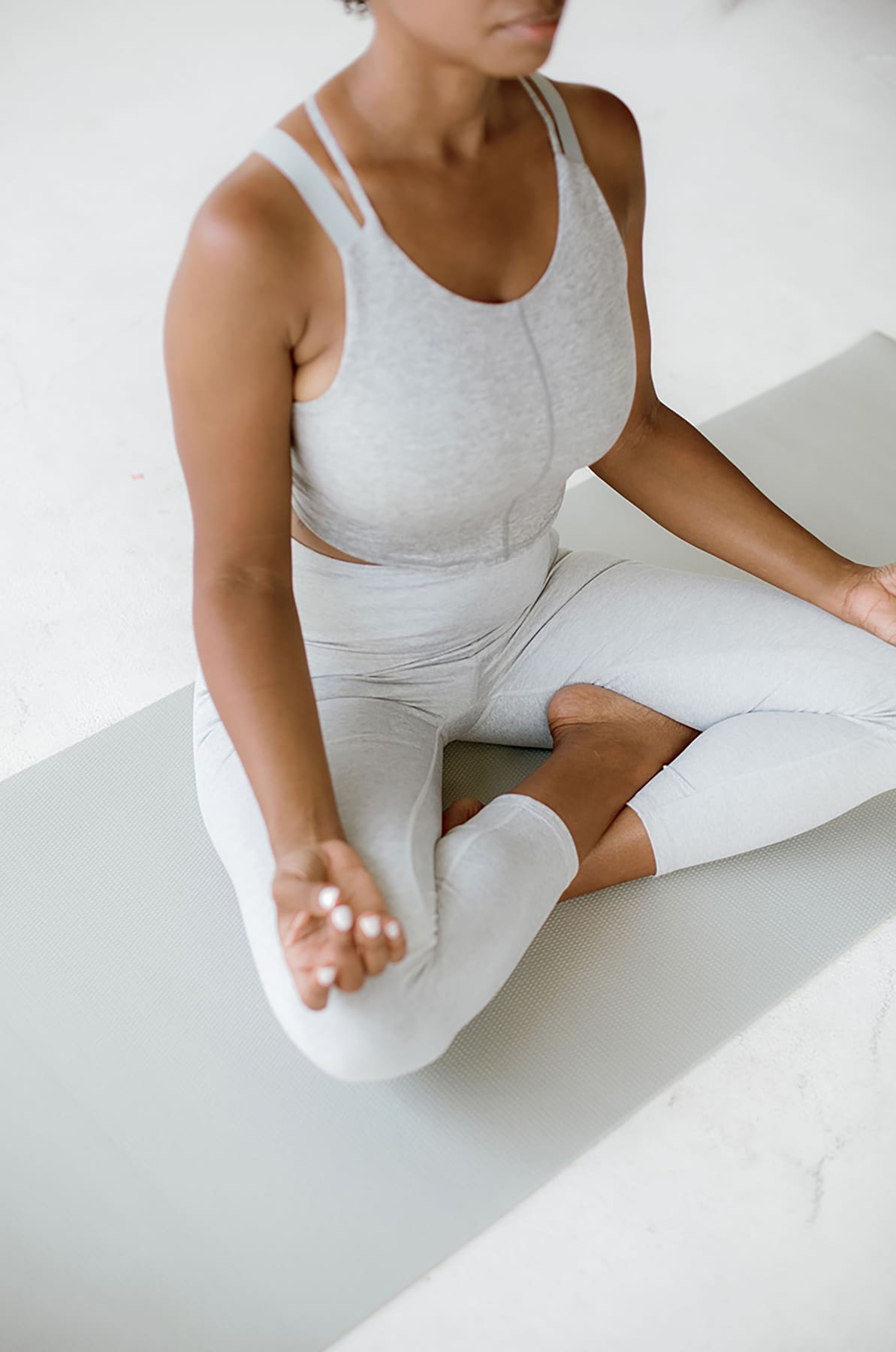
A diagnosis of dementia or Alzheimer’s is often a terrifying event for the patient and their family. Slowly losing one’s memories to the point of not recognizing loved ones is a future none of us want to experience. But science is now finding that these cognitive diseases may be preventable through the practice of daily meditation.
Prescribing Meditation
A recent study from Beth Israel Deaconess Medical Center has found that meditation can dramatically slow the progression of Alzheimer’s disease. Adults between the ages of 55 and 90 were divided into two groups. One group received regular care while the other group also practiced meditation and yoga for at least two hours each week.
The researchers found that the group who practiced meditation and yoga each week had significantly less atrophy in the brain, as well as better brain connectivity, than the control group.
In another study, an international team of scientists looked at the brain scans of 50 American men and women who meditated regularly along with brain scans of 50 Americans who did not practice any form of meditation. The findings were startling.
The brain scans of those Americans who did not meditate showed a brain age the same as the person’s actual age. However, the brain scans of those people who regularly meditated were, on average, 7 years younger than the person’s actual age. Researcher Christian Gaser from Jena University Hospital in Germany said of their findings:
“These findings suggest that meditation is beneficial for brain preservation, with a slower rate of brain aging throughout life.”
Other Benefits of Meditation
While the findings of meditation’s impact on the progression of dementia are fairly recent, the brain boosting benefits of meditation have been shown consistently over the last 20 years. Science now suggests that meditation has the ability to:
• Increase protective tissues in the brain
• Prevent atrophy in the hippocampus
• Alleviate stress and anxiety
• Help seniors feel less isolated and lonely
• Increase grey matter in the brain as well as cortical thickness, which is associated with memory and decision-making
Tips on Getting Started with Meditation
Meditation comes easier to some than others. And that’s okay. To get started, there are simply three things you need to understand:
It’s a Practice
They call meditation a practice because there is no perfection involved here. You simply commit to meditating each day and you do the best you can do. It’s not easy quieting all of the mind chatter, as you’ll learn. Just keep at it and you will have your breakthroughs.
Start Slow
You don’t need to start off meditating each day for 20 minutes. In fact, I would recommend that you don’t do that, as you’ll more than likely find it very hard to quiet your mind for that long and you’ll become frustrated. Start with 3 minutes each day. That’s it. Slowly move the time up as you become more comfortable with your practice.
Meditation Should be Fun!
Meditating shouldn’t feel like a chore or something you are forcing yourself to do each day. You should look forward to this quiet time.
The mistake many beginners make is thinking there is only one way to meditate, and that is focusing on your breath. But that’s simply not true.
Yes, many practitioners do focus on their breathing (called mindfulness breathing), but some people focus on the sounds in the immediate area, others gaze at an image or into the flame of a candle, and still others take meditative walks, focusing solely on the movement of walking.
Do some experimentation and find what works best for you and is the most fun.
As we age, it becomes more and more important to take care of our brains. Meditation may be one of the most important things you can do!

How Meditation Could Help You Defend Against Dementia
June 18, 2020
meet inge
I’m Inge, a Psychiatric Nurse Practitioner passionate about helping others feel grounded, resilient, and well. Here on the blog, I share insights on mental health, prevention, meditation, clean skincare, and nutrition—everything I turn to in my own daily life. I hope this space becomes a trusted part of your wellness journey.
LATEST FROM THE BLOG

I had a friend tell me something last week that stopped me in my tracks. She said, “I feel like I’m drowning in other people’s thoughts.” She’s 67, retired from teaching, and spends hours each day scrolling through news apps, checking Facebook, watching YouTube videos about gardening (her passion), and texting with her grandchildren. All […]

This week, we got the news that no business owner wants to hear: our building had been sold, and we were being asked to leave. No warning, no transition period — just pack up and go. My first reaction? Honestly, it wasn’t peaceful. It was the kind of sudden, jarring disruption that puts your nervous […]