

You’ve learned about breathing techniques, herbs, exercise, self-compassion, and creating a calm environment. Each of these tools can help reduce anxiety. But how do you put them all together into a sustainable system that actually works in your daily life?
That’s where an anxiety management plan comes in.
An anxiety management plan isn’t about adding more to your already-full life. It’s about creating a simple, personalized framework that helps you prevent anxiety from building up and gives you clear steps when it does.
After 15 years helping women manage anxiety, I’ve seen that the most successful approach combines daily prevention practices with a clear response plan for high-anxiety moments. Here’s how to create yours.
Part 1: Daily Prevention Practices
The goal of prevention is to keep your baseline anxiety level low, so minor stressors don’t push you into overwhelm. Think of it like keeping a pot of water on low simmer instead of constantly boiling over.
Morning Anchor Practice (5-10 minutes)
How you start your day sets the tone for everything that follows. Before checking your phone, watching the news, or diving into tasks, give yourself a few minutes to center.
This might include: 5 minutes of diaphragmatic breathing, a short gratitude reflection (3 things you’re grateful for), gentle stretching, or simply sitting quietly with your morning tea or coffee.
Choose what works for you. The key is consistency—doing the same simple practice each morning.
Movement (20-30 minutes)
Daily movement is non-negotiable for anxiety management. This doesn’t mean intense exercise—a walk, gentle yoga, gardening, or water aerobics all count.
Schedule it like an appointment. If it’s not in your calendar, it’s easy to skip.
Herbal Support
If you’ve found herbs that help you (chamomile, passionflower, lemon balm, etc.), incorporate them into your daily routine. A morning or evening tea ritual is an easy way to do this while also building in a mindful pause.
Evening Wind-Down (30 minutes before bed)
Anxiety often peaks at night. A consistent wind-down routine signals to your nervous system that it’s safe to relax.
Your wind-down might include: dimming lights, a cup of calming tea, light reading (not screens), 4-7-8 breathing, or gentle stretching. Avoid news, stressful conversations, and bright screens during this time.
Part 2: Your Anxiety Response Plan
Even with good daily practices, anxiety will sometimes spike. Having a clear plan for these moments helps you respond effectively instead of feeling helpless.
Step 1: Recognize the Signs
Learn your personal early warning signs of rising anxiety. These might be physical (tight shoulders, racing heart, shallow breathing), emotional (irritability, dread, restlessness), or behavioral (avoiding things, checking things repeatedly, struggling to focus).
The earlier you catch anxiety building, the easier it is to interrupt.
Step 2: Pause and Name It
When you notice anxiety rising, pause. Say to yourself (silently or aloud): “I notice I’m feeling anxious right now.” This simple act of naming creates a small space between you and the anxiety—you’re observing it rather than drowning in it.
Step 3: Use Your Go-To Technique
Choose one breathing technique that you’ll use consistently when anxiety spikes. I recommend box breathing or 4-7-8 breathing. Do 4-6 cycles.
Having one go-to technique is better than trying to remember multiple options when you’re anxious.
Step 4: Offer Yourself Compassion
Instead of criticizing yourself for feeling anxious, try a self-compassion statement: “This is hard. It’s okay to feel anxious. Many people struggle with this. May I be kind to myself right now.”
Step 5: Take One Supportive Action
After calming your initial anxiety response, take one small action that supports your wellbeing: go for a short walk, make a cup of tea, call a supportive friend, step outside for fresh air, or move to your calm space.
Your Personal Anxiety Toolkit
Create a mental (or written) list of tools that help YOU specifically. This might include:
• Your breathing technique
• 2-3 herbs that help you
• Calming activities (walking, gardening, etc.)
• Supportive people you can call
• A self-compassion phrase that resonates
• Your calm space at home
Having these tools identified in advance means you don’t have to think when anxiety hits—you just reach for what you know works.
When to Seek Additional Support
Self-management strategies work well for mild to moderate anxiety. But sometimes professional support is needed. Consider reaching out to a healthcare provider if:
• Anxiety is significantly impacting your daily functioning
• You’re experiencing panic attacks
• Self-management strategies aren’t providing enough relief
• You’re also experiencing depression
• Anxiety is affecting your relationships or ability to enjoy life
Seeking help isn’t failure—it’s wisdom. Sometimes we need additional support, and that’s okay.
Your Next Step
Creating an anxiety management plan doesn’t have to be complicated. Start with one daily prevention practice and one response technique. Practice them consistently for two weeks. Then add more as you’re ready.
Small, consistent actions compound over time. In a few months, you may find yourself naturally calmer, sleeping better, and feeling more in control of your emotional life.
You deserve to feel peaceful. You deserve to enjoy this stage of life without anxiety constantly stealing your peace. With the right tools and a simple plan, that’s absolutely possible.
Ready to put your plan into action? Download my free guide 7 Nights to Better Sleep—because better sleep is the foundation of anxiety management.
More in this series:
• Why Anxiety Gets Worse After 60
• Breathing Techniques for Anxiety
• Natural Remedies for Anxiety in Seniors
Anxiety Series #7: How to Create an Anxiety Management Plan That Actually Works After 60
December 1, 2025
meet inge
I’m Inge, a Psychiatric Nurse Practitioner passionate about helping others feel grounded, resilient, and well. Here on the blog, I share insights on mental health, prevention, meditation, clean skincare, and nutrition—everything I turn to in my own daily life. I hope this space becomes a trusted part of your wellness journey.
LATEST FROM THE BLOG

I had a friend tell me something last week that stopped me in my tracks. She said, “I feel like I’m drowning in other people’s thoughts.” She’s 67, retired from teaching, and spends hours each day scrolling through news apps, checking Facebook, watching YouTube videos about gardening (her passion), and texting with her grandchildren. All […]

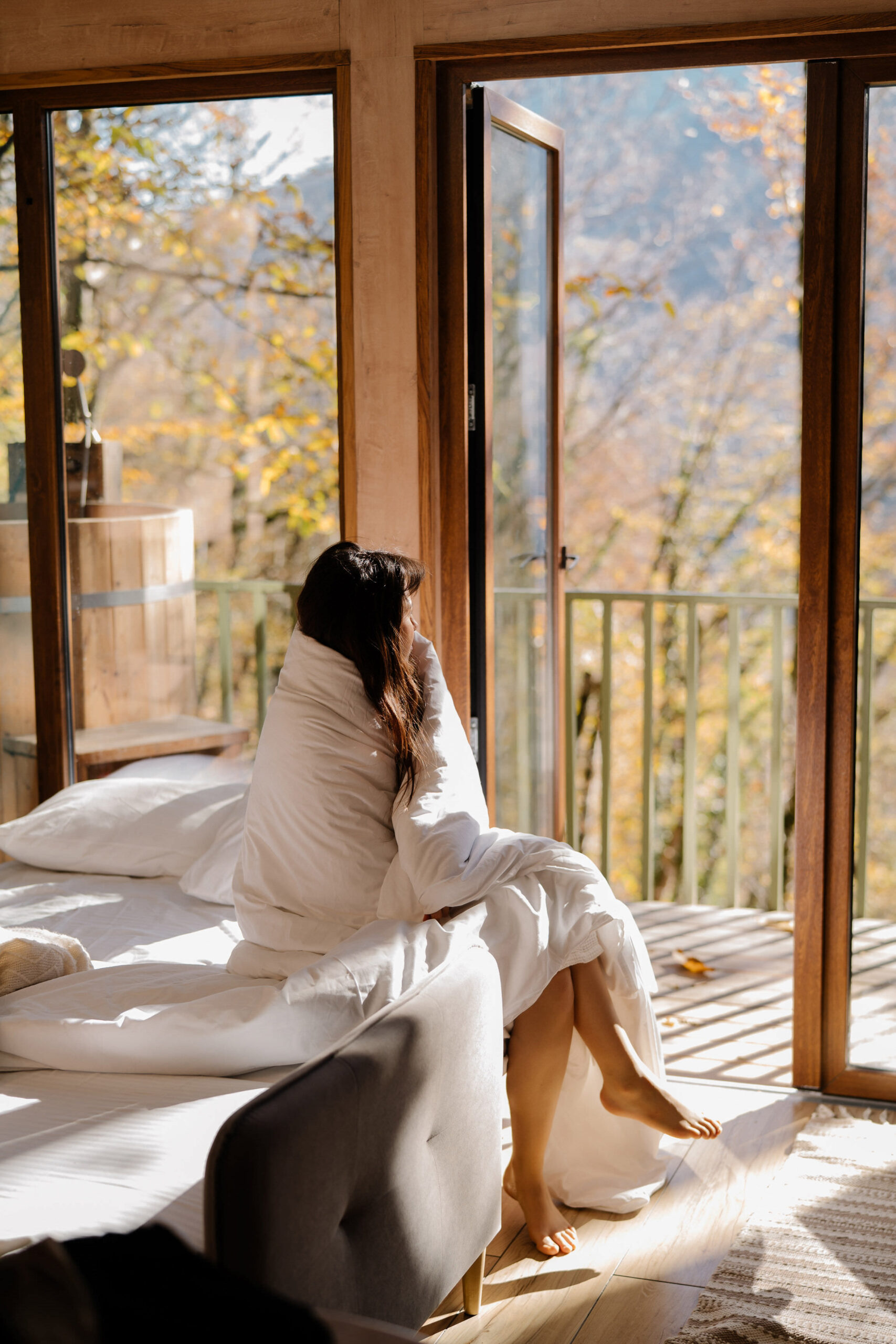
When Your Body Remembers What Your Mind Tries to Forget Have you ever noticed how grief settles into your shoulders? How anxiety lives in your chest like a bird that won’t stop fluttering? Or how years of unspoken words seem to tighten around your throat? If you’re nodding right now, you’re not imagining things. Your […]
Postmenopausal women often face unique challenges, one of the most pervasive being insomnia. As hormonal shifts disrupt sleep patterns, sleepless nights can become all too familiar, leading to daytime fatigue and a decline in overall well-being. But rest assured, effective strategies exist to reclaim restful nights. By understanding the underlying factors contributing to insomnia, from […]
You’ve learned about breathing techniques, herbs, exercise, self-compassion, and creating a calm environment. Each of these tools can help reduce anxiety. But how do you put them all together into a sustainable system that actually works in your daily life? That’s where an anxiety management plan comes in. An anxiety management plan isn’t about adding […]