
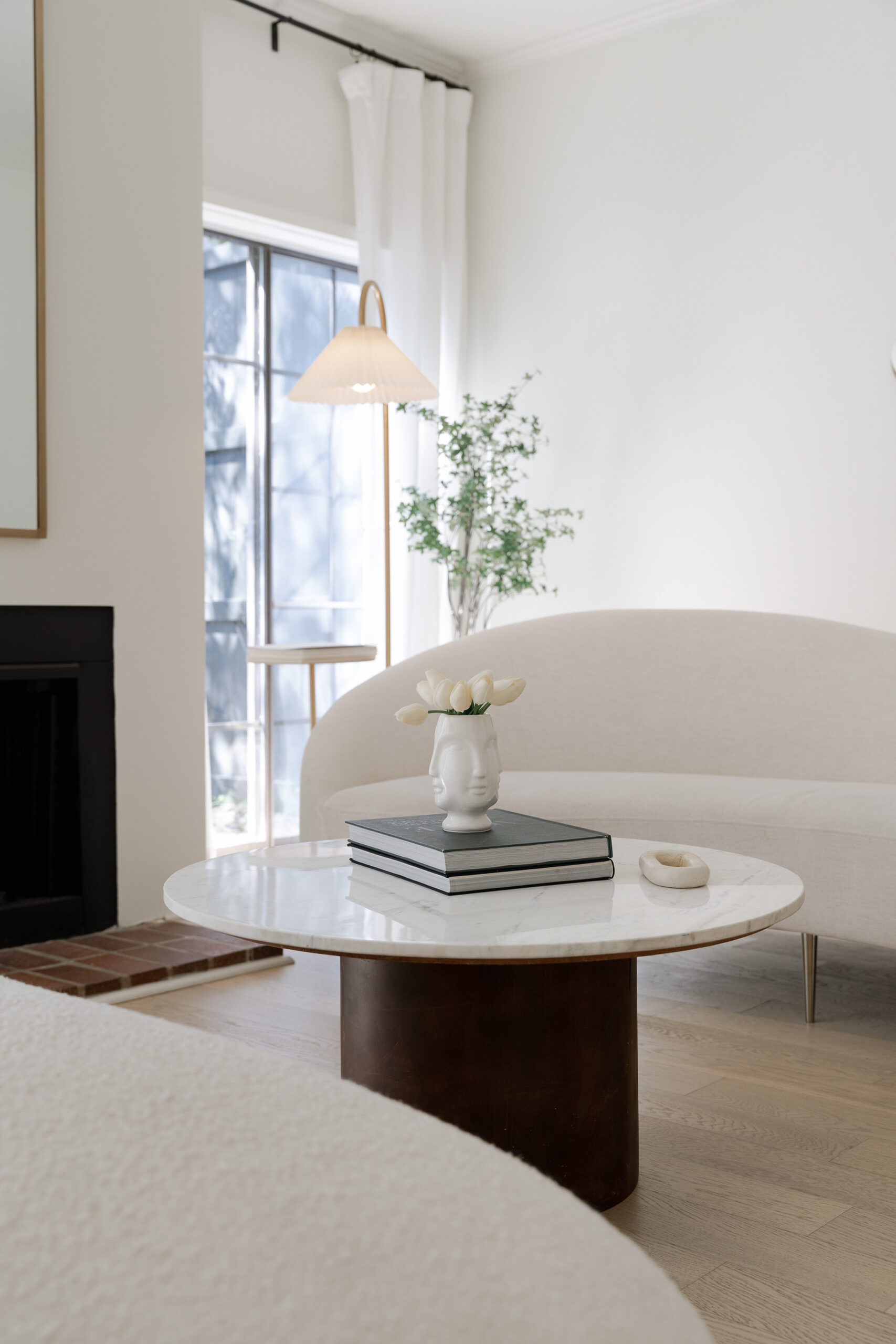
Your environment affects your mood more than you might realize. Research in environmental psychology shows that our surroundings constantly influence our stress levels, emotional state, and even our nervous system activation—often without us being consciously aware.
For women dealing with anxiety, this is both a challenge and an opportunity. If your home environment is chaotic, cluttered, or overstimulating, it may be contributing to your anxiety. But if you intentionally create a calm, soothing space, your home can become a sanctuary that actively supports your mental health.
The good news? Creating a calmer home doesn’t require a complete renovation or expensive purchases. Small, intentional changes can make a significant difference.
How Your Environment Affects Anxiety
Your brain is constantly scanning your environment for threats. This happens automatically, below conscious awareness. When your surroundings are cluttered, chaotic, or overwhelming, your brain registers a low-level threat signal—keeping your stress response slightly activated all the time.
Conversely, environments that feel orderly, peaceful, and safe send signals of safety to your brain. This helps your nervous system relax into the parasympathetic state—the “rest and digest” mode where anxiety naturally decreases.
For women over 60, who may spend more time at home than in earlier life stages, the home environment becomes even more important for mental health.
Simple Changes That Make a Difference
Reduce Visual Clutter
Clutter is one of the biggest environmental anxiety triggers. Research from UCLA found that women who described their homes as cluttered had flatter cortisol slopes throughout the day—a pattern associated with worse health outcomes and higher stress.
You don’t need to become a minimalist. Focus on the spaces where you spend the most time: your bedroom, your main living area, and wherever you eat meals. Clear surfaces, organized shelves, and designated homes for items all help your brain relax.
Start small: Choose one surface (a nightstand, a kitchen counter) and clear it completely. Keep it clear for one week and notice how it feels.
Create a Dedicated Calm Space
Designate one area of your home as your “calm corner.” This could be a comfortable chair by a window, a corner of your bedroom, or even a spot at your dining table.
Make this space specifically for relaxation: reading, breathing exercises, meditation, or simply sitting quietly. When you consistently use one space for calming activities, your brain begins to associate that space with relaxation—making it easier to calm down when you’re there.
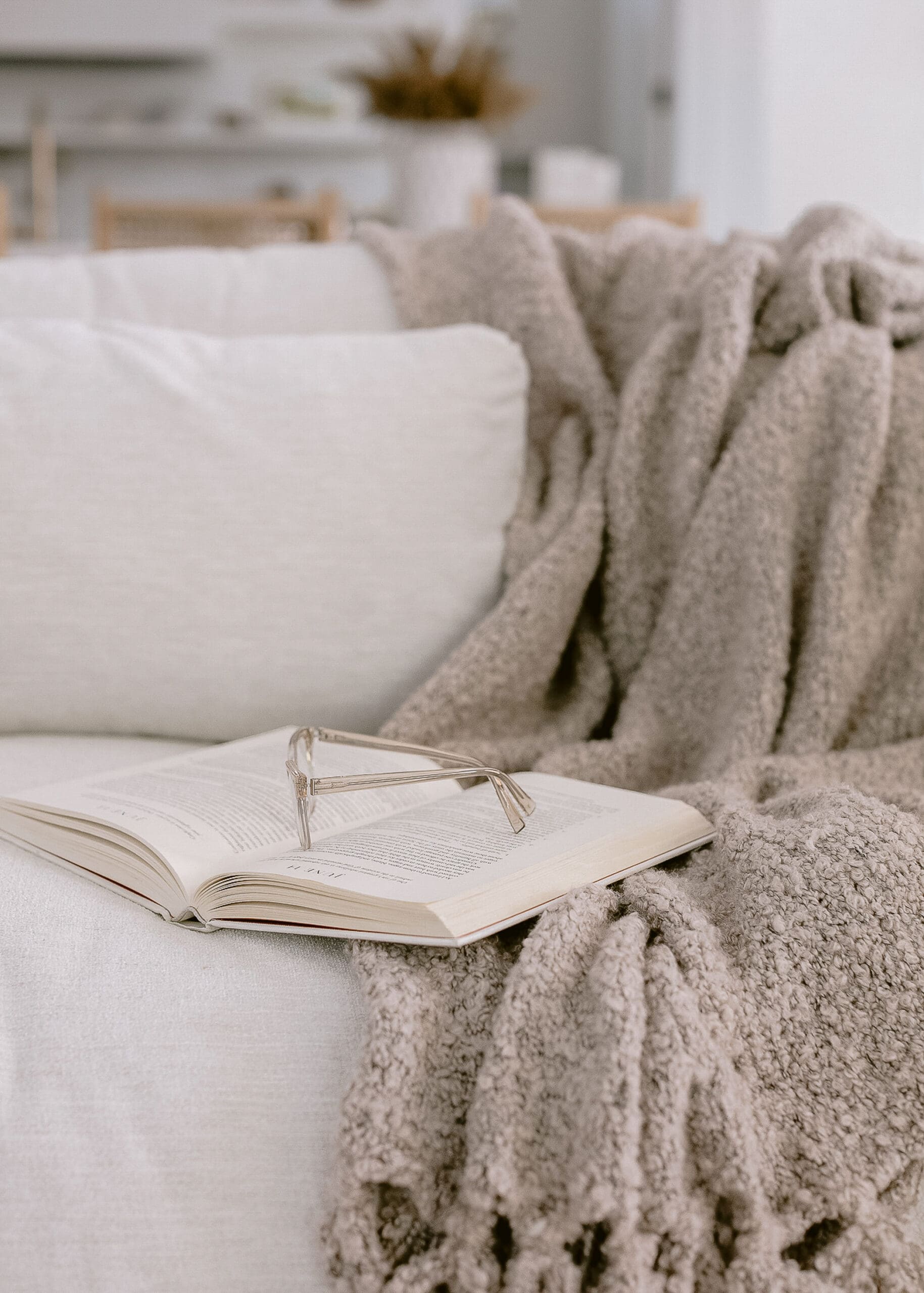
Keep your calming tools nearby: a cozy blanket, a book, your favorite tea, perhaps a small plant or meaningful object.
Optimize Lighting
Lighting significantly affects mood and anxiety. Harsh overhead lighting can feel aggressive to the nervous system, while soft, warm lighting promotes relaxation.
During the day, let in as much natural light as possible—it helps regulate your circadian rhythm and mood. In the evening, switch to softer lighting. Table lamps, dimmer switches, and warm-toned bulbs all help signal to your brain that it’s time to wind down.
Bring Nature Inside
Humans have an innate connection to nature (biophilia), and research shows that even small amounts of nature exposure reduce stress and anxiety.
Houseplants, fresh flowers, nature photographs, or even nature sounds can all help. If you don’t have a green thumb, low-maintenance plants like pothos, snake plants, or peace lilies are nearly impossible to kill.
Reduce Noise Pollution
Constant background noise—traffic, neighbors, appliances—keeps your nervous system slightly activated. While you may not be able to eliminate all noise, you can reduce its impact.
Soft furnishings (rugs, curtains, upholstered furniture) absorb sound. A white noise machine or fan can mask disruptive noises. Some people find nature sounds (rain, ocean waves) calming as background.
Use Calming Scents
Scent has a direct pathway to the emotional center of your brain. Certain scents—particularly lavender, chamomile, and vanilla—have been shown to reduce anxiety.
Essential oil diffusers, scented candles (if safe for your situation), or simply keeping fresh lavender in your home can all help. Even a lavender-scented pillow spray can make your bedroom feel more calming.
Your Bedroom: The Most Important Room
For anxiety relief, your bedroom deserves special attention. This is where you sleep, and poor sleep both results from and worsens anxiety.
Keep it cool: 65-68°F is optimal for sleep.
Make it dark: Blackout curtains or a sleep mask if needed.
Reserve it for sleep: Avoid working, watching stressful TV, or scrolling your phone in bed.
Invest in comfort: Quality pillows and bedding make a difference.
Remove screens: Keep phones and tablets out of the bedroom, or at least across the room.
Small Changes, Big Impact
You don’t need to transform your entire home at once. Pick one or two changes that feel doable and start there. Notice how they affect your mood and anxiety levels. Then add more as you’re ready.
Your home should be your refuge—a place where you can escape the stresses of the world and let your nervous system truly rest. With some intentional adjustments, it can become exactly that.
Ready to optimize your bedroom for better sleep? Download my free guide 7 Nights to Better Sleep for a complete bedroom checklist.
Read next: “How to Create an Anxiety Management Plan That Actually Works After 60”
Anxiety Series #6: Creating a Calm Home Environment: Simple Changes That Reduce Anxiety
November 29, 2025
meet inge
I’m Inge, a Psychiatric Nurse Practitioner passionate about helping others feel grounded, resilient, and well. Here on the blog, I share insights on mental health, prevention, meditation, clean skincare, and nutrition—everything I turn to in my own daily life. I hope this space becomes a trusted part of your wellness journey.
LATEST FROM THE BLOG
I had a friend tell me something last week that stopped me in my tracks. She said, “I feel like I’m drowning in other people’s thoughts.” She’s 67, retired from teaching, and spends hours each day scrolling through news apps, checking Facebook, watching YouTube videos about gardening (her passion), and texting with her grandchildren. All […]

When Your Body Remembers What Your Mind Tries to Forget Have you ever noticed how grief settles into your shoulders? How anxiety lives in your chest like a bird that won’t stop fluttering? Or how years of unspoken words seem to tighten around your throat? If you’re nodding right now, you’re not imagining things. Your […]
Postmenopausal women often face unique challenges, one of the most pervasive being insomnia. As hormonal shifts disrupt sleep patterns, sleepless nights can become all too familiar, leading to daytime fatigue and a decline in overall well-being. But rest assured, effective strategies exist to reclaim restful nights. By understanding the underlying factors contributing to insomnia, from […]
You’ve learned about breathing techniques, herbs, exercise, self-compassion, and creating a calm environment. Each of these tools can help reduce anxiety. But how do you put them all together into a sustainable system that actually works in your daily life? That’s where an anxiety management plan comes in. An anxiety management plan isn’t about adding […]