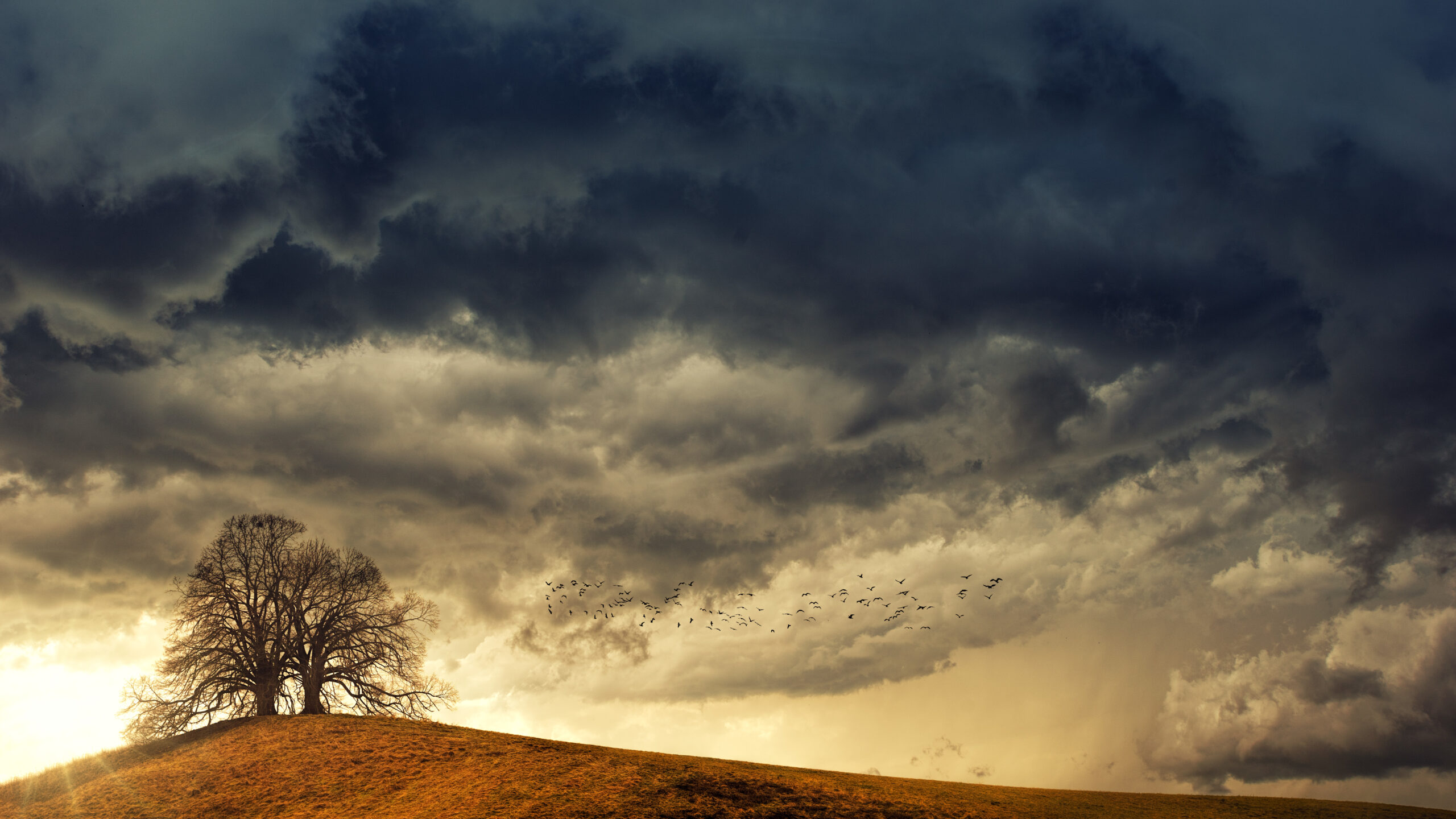
There’s a thunderstorm overhead.
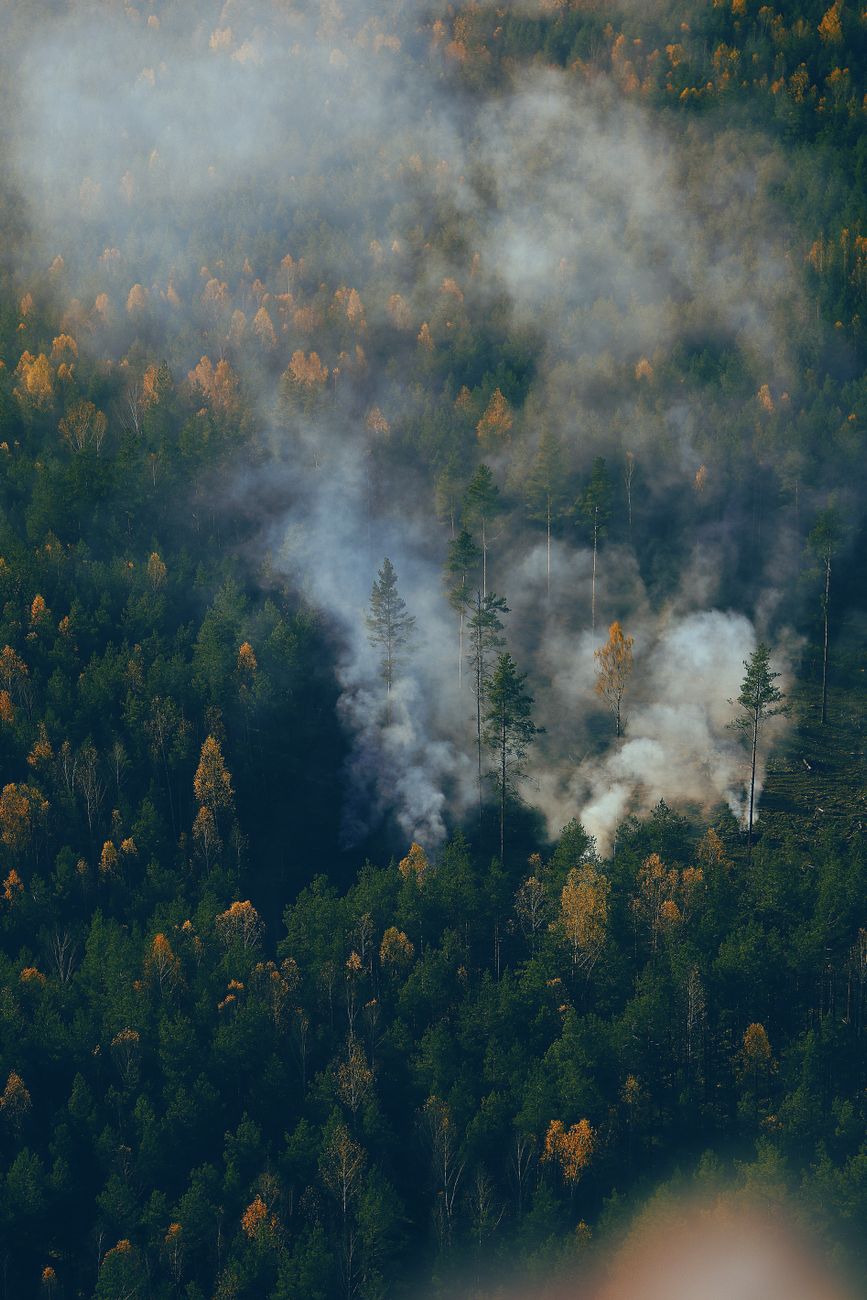
It’s been gathering all morning — the heat holding its breath, the air heavy and still, everything suspended in that strange waiting that comes before the sky finally breaks open. And now the rain is coming down hard, and I find myself wanting to open the door, to feel it — but the heat hasn’t quite let go yet. Still pushing back. Still insisting on its own terms, even as the storm makes clear that no one asked.
I noticed this and had to smile. Because how many of us do exactly that?
We hold our position. We grip our fixed thinking, our opinions, our expectations of how things should be — and we hold on with a kind of stubborn dignity, right up until reality makes it impossible to pretend we’re in charge. We wait for the heat to surrender, not quite willing to let it go ourselves. And all the while, the rain is already falling.
The desert this morning is a perfect teacher. It’s been so locked in its heat, so accustomed to its own relentless way of being, that it has almost forgotten any other possibility exists. Dry. Still. Certain of itself. And yet here comes the storm — not because the desert did anything, not because it prepared or planned or finally made peace with the idea of rain. The storm came because that is simply the nature of things. Because weather moves. Because seasons turn. Because the world doesn’t wait for our mental permission before it changes.
What a strange and exhausting thing it is — this belief that we are somehow steering all of this.
So many of us live from what I think of as a future mindset: the quiet, relentless conviction that if we think hard enough, worry long enough, hold our position firmly enough, we can determine outcomes. We can keep things the same, or force the change we want, or at the very least be ready for whatever comes. And so we ruminate. We rehearse. We grip.
But the storm doesn’t negotiate with the desert. And life, so often, doesn’t negotiate with us.
Here’s what I’ve come to understand — both in my own life and from hearing the stories I’ve been privileged to witness: the relief that comes from releasing control isn’t defeat. It’s rest. It’s the door finally opening, the hot, still air giving way to something cooler and alive. It’s the body unclenching, the mind going quiet. The sudden, startling freedom of simply being present to what’s actually happening, rather than managing what might.
The rain is already here.
And there is — if you’ll let yourself feel it — something close to perfection in that.
The Storm Doesn’t Ask Permission
July 20, 2026
meet inge
I’m Inge, a Psychiatric Nurse Practitioner passionate about helping others feel grounded, resilient, and well. Here on the blog, I share insights on mental health, prevention, meditation, clean skincare, and nutrition—everything I turn to in my own daily life. I hope this space becomes a trusted part of your wellness journey.
LATEST FROM THE BLOG